
The Partnership Playbook: Vol. 4
Professional Development & Internal Capacity: Flipping the System

As we shift into the quiet summer months, our focus transitions from immediate classroom communication to long-term systemic strategy. In our previous edition, we explored how to maximize parent-teacher conferences through structured, two-way dialogue. Now, we use this intermission to build our school’s internal engine.
This edition targets the mindsets, skills, and organizational structures required to make family engagement a core competency of your entire staff. True capacity-building isn’t about asking teachers to do more administrative tasks; it’s about shifting our collective lens so that every interaction with a family is asset-based, culturally responsive, and friction-free. Let's use this summer to prepare our teams for a transformative launch.

The “Deficit Model” Detox: Auditing Our Collective Mindset
For generations, teacher preparation programs have treated Parent and Family Engagement (PFE) as a footnote or an administrative compliance box to check. The predictable result? When family attendance at school events drops or communication breaks down, the default staff room narrative easily slips into a deficit mindset: "We sent the flyers home, but these parents just don’t care."
Building internal capacity requires an honest, courageous look in the mirror. Research consistently demonstrates that families across all socioeconomic and cultural demographics care deeply about their children's future. When visibility is low, it is rarely a reflection of apathy. Instead, it is an indicator of hidden systemic barriers.
To build a true partnership model this summer, school teams must actively deconstruct these three common internal myths:
Myth 1: "Attendance equals engagement."
A parent working a rigid night shift who cannot attend a 6:00 PM title night is still actively engaging at home by enforcing bedtime routines, managing screen time, and encouraging literacy.
Myth 2: "Language barriers mean communication barriers."
Relying on a child to translate or expecting parents to navigate complex English-only portals signals that the school is closed to outsiders. Internal capacity means investing in seamless, multi-lingual infrastructure.
Myth 3: "No news is good news."
Contacting families only when a student is failing or misbehaving trains parents to experience a physiological stress response whenever the school calls.
By shifting our staff professional development from managing parents to collaborating with them, we transform family engagement from a stressful add-on into a high-leverage tool that accelerates student learning.

The "First Five" Content Map: Proactive Over Reactive
Before the school year starts, teachers often spend hours decorating walls but minutes planning their communication architecture.
Tip: This summer, draft your "First Five"—a pre-scheduled sequence of positive, low-stakes communication touches sent via text or email during the first five weeks of school. By mapping this out now, you eliminate the cognitive load of trying to build trust when the school year chaos hits.
Week 1
Pure Welcome
Week 2
Positive First Contact
Week 3
Culture & Belonging
Week 4
Data Transparency
Week 5
Two-Way Survey
The Execution: Ensure the very first individualized message home for every student highlights a specific strength observed in the first 10 days. When you deposit positive equity into the relationship bank early, any difficult conversations you may need to have later in the semester will be met with collaboration instead of defensiveness.

Systematizing Two-Way, Frictionless Access
Internal capacity fails if your digital tools require a computer science degree or perfect English literacy to navigate.
Tool Highlight: Integrated Two-Way Messaging (e.g., TalkingPoints, Remind)
Instead of forcing parents to download clunky, high-bandwidth apps, prioritize platforms that allow educators to type a message on their desktop which automatically arrives on the parent’s phone as a standard SMS text message in their primary home language.
High School Adaptation: Scaling Engagement for Emerging Adults
Engaging families of teenagers requires moving away from the elementary "folder check" and moving toward fostering student self-advocacy.
The “Pre-Flight” Grading Portal Tutorial
High school parents are frequently scolded for "helicoptering" or criticized for not monitoring their teen's missing work. Use August to send a 60-second smartphone screen-recording detailing exactly how to interpret the student portal (e.g., Canvas, PowerSchool). Focus on showing them where to find rubrics and upcoming deadlines, changing the conversation at home from "Did you do your homework?" to "I see your lab report draft is due Thursday, how can I support you?"
Flipped Office Hours Intro
Send a templated video clip welcoming families and explicitly defining your extra help availability. Instruct parents on how to prompt their teens to utilize these hours independently: "If you have a question about your grade, please ask your teacher during Tuesday's office hours." This builds student accountability while keeping families firmly in the loop.

Leading the Capacity Shift from the Front Office
Teachers cannot build family trust if they feel unsupported by their administrative team. Principals must build the institutional runway.
1. Build a “PFE Lead Team” and Protect Planning Time
Action: Don't just assign family engagement to a single assistant principal. Create a cross-functional team (including general ed teachers, special ed staff, EL specialists, and a front-office secretary). Allocate dedicated, paid hours during summer professional development days specifically for this team to map out the school's family communication calendar.
The Impact: It elevates family engagement from a vague philosophy to an operationalized priority with clear owners and timelines.
2. Move from “Mass Blasts” to Target Data Logs
Action: Provide teachers with clear metrics and a centralized, simple spreadsheet other tool to track family touches. Shift administrative expectations from checking if a weekly school-wide newsletter went out to monitoring whether 100% of families have received at least one personalized, two-way communication touch-point by the end of September.
The Impact: It forces accountability and visually highlights which families are inadvertently slipping through the cracks.
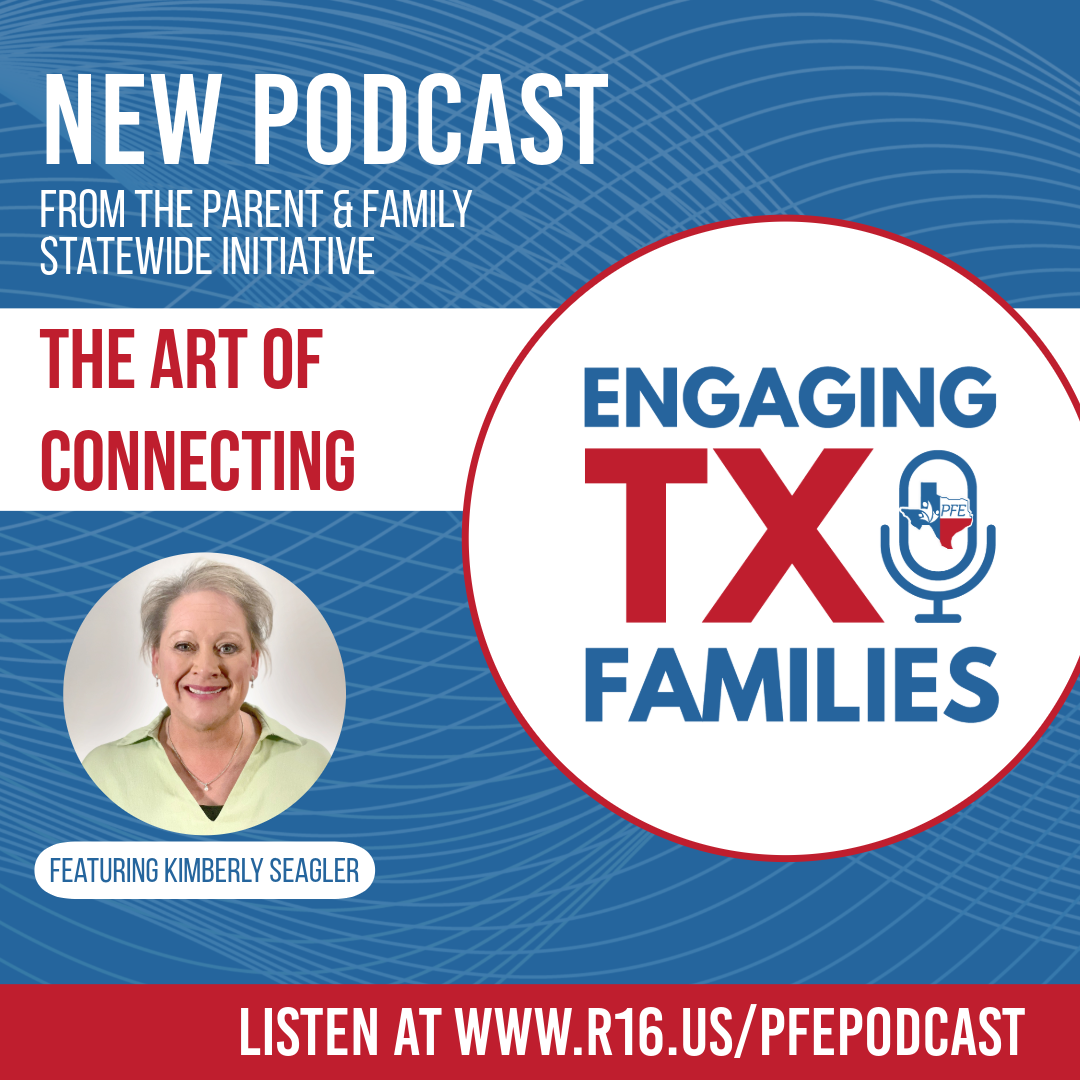
Media Highlight
Hear from Family Service Specialist Kimberly Seagler on the art of connecting with families.

For Professional Development & Team Alignment
1. For the “Systems Shift” (The Big Picture)
“Partners in Education: A Dual Capacity-Building Framework for Family-School Partnerships” by Karen L. Mapp & Enyart Bergman.
Why: The definitive blueprint for understanding that educators need professional training and systems just as much as families need access to participate effectively.
"Powerful Partnerships: A Teacher's Guide to Engaging Families for Student Success" by Karen L. Mapp, Ilene Carver, and Jessica Lander.
Why: Packed with immediate, highly practical summer-to-fall transition strategies to turn asset-based theories into actual classroom systems.
2. For Overcoming Cultural & Systemic Barriers
“Culturally Responsive Teaching and The Brain” by Zaretta Hammond.
Why: Vital for internal capacity building. It assists staff in recognizing how unconscious bias impacts parent communication and how to establish authentic, trust-based alliances with marginalized communities.
3. For Data-Driven Communication
“Collaborative Leadership: Six Influences That Matter Most” by Peter DeWitt.
Why: Excellent for administrators looking to design internal evaluation frameworks, collect two-way family feedback, and foster collective teacher efficacy regarding family outreach.
Works Cited:
DeWitt, P. (2016). Collaborative Leadership: Six Influences That Matter Most. Corwin Press.
(Supports the "Principals Partnership Pointers" regarding establishing collective staff efficacy and structured evaluation frameworks.)
Hammond, Z. (2015). Culturally Responsive Teaching and The Brain: Promoting Authentic Engagement and Rigor Among Culturally and Linguistically Diverse Students. Corwin Press.
(Provides the foundational framework for moving away from deficit-based communication and building asset-based family alliances.)
Mapp, K. L., & Bergman, E. (2019). Dual Capacity-Building Framework for Family-School Partnerships (Version 2). Institute for Educational Leadership.
(The analytical backbone for training staff to treat families as essential co-educators rather than passive recipients of school policies.)
Mapp, K. L., Carver, I., & Lander, J. (2017). Powerful Partnerships: A Teacher's Guide to Engaging Families for Student Success. Scholastic.
(Validates the "First Five" Content Map and the necessity of proactive, positive early communication touches.)